Advertorial

Trending in the US
Advertorial
Trending in the US
Doctors Keep Missing This: The Problem Making Mystery Symptoms Worse Every Night
Millions are being misdiagnosed and treated for the wrong conditions
June 2025 — New research is exposing a huge problem in medicine: doctors are missing the real cause behind symptoms like dizziness, blurred vision, and anxiety.
The culprit? Your neck.

Dr. Michael Chen, a brain and nerve specialist at Stanford Medical Center, recently studied 847 patients who complained of chronic dizziness, blurred vision, and anxiety.
What he found was shocking.
89% had been given antidepressants or anti-anxiety pills. Many were told their symptoms were "all in their head."
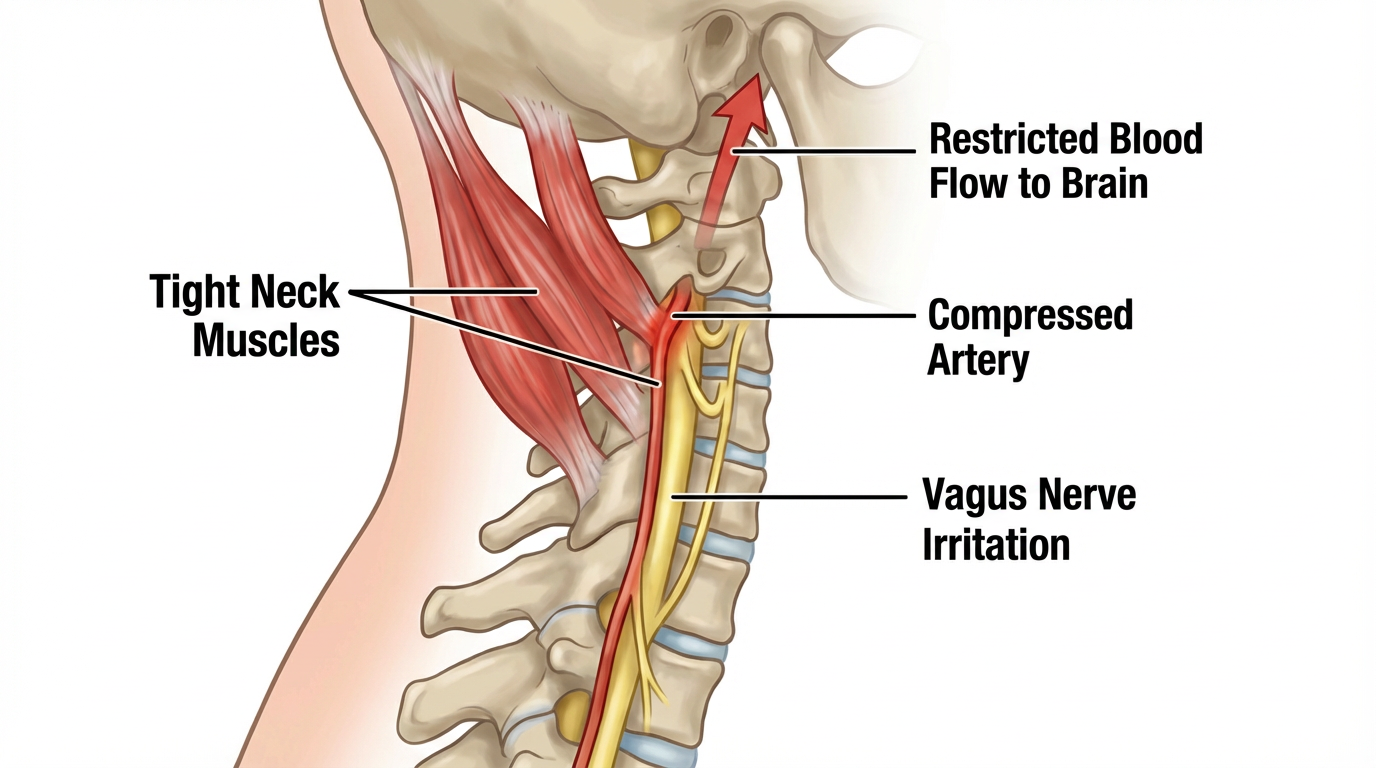
But when Dr. Chen examined their necks, he found the real problem: every single patient had chronic tension in the muscles at the base of their skull — specifically around C1 and C2, the top two vertebrae that connect your head to your spine.
Your Neck Controls More Than You Think
Most people don't realize how important their neck is.
The seven bones in your neck protect nerve pathways that control your entire body.
These nerves affect your balance, vision, heart rate, and even your mental clarity.
But here's what Dr. Chen discovered next — and it changed everything:
The patients with the worst symptoms all had one thing in common.
Chronically tight muscles at the base of their skull. Tension that had built up over years. And nobody had ever told them this could be causing their symptoms.
The Problem No One Talks About

Here's what most people don't realize:
Your neck didn't get this way overnight.
Years of looking down at phones. Sitting at computers. Stress that makes you tense your shoulders. Maybe an old injury — a car accident, a fall, whiplash you barely remember.
Over time, this puts strain on your upper cervical spine. Specifically on 4 tiny muscles at the base of your skull called the suboccipitals.
These muscles are different from any other muscle in your body.
They contain up to 300 times more position sensors than your large muscles like your glutes.
Their job isn't movement. Their job is telling your brain exactly where your head is in space.
Years of strain have made these muscles chronically tight. And when you sleep in the wrong position, they stay under constant stress. 8 hours of tension. Every single night.
This creates what doctors call a "sensory mismatch."
First, the stressed muscles send scrambled signals to your brain. Your brain receives conflicting information — your ears say you're still, your eyes say you're still, but your neck says "ERROR." The result? Dizziness.
Second, the tension at C1-C2 irritates your vagus nerve — the nerve that controls your heart rate, digestion, and fight-or-flight response. Your heart races. You feel anxious for no reason. You can't relax.
Third, you wake up and the symptoms are at their worst. You feel foggy. Off-balance. Exhausted before the day even starts.
Here's the scary part: these symptoms seem totally unrelated to your pillow.
That's exactly why your doctor keeps missing it.
A normal pillow keeps your head in a position that makes this tension worse.
Night after night, the muscles never get a chance to relax. The nerves stay irritated. Your neck can't heal.
Your pillow is making the problem worse — and preventing your neck from recovering.
Why Doctors Get It Wrong

Sarah Mitchell, 43, spent two years seeing specialists.
"I saw heart doctors for my racing heart. Eye doctors for my vision problems. A psychiatrist gave me anxiety pills," she says.
Not one doctor asked how she slept.
"I had every test you can imagine. Brain scans, heart tests, blood work. Everything came back normal. They finally said it was just stress."
Sarah's story isn't unusual — it's the norm.
Dr. Chen explains: "When someone has dizziness, they see an ENT doctor. For vision problems, an eye doctor. For anxiety, a psychiatrist. Each doctor only looks at their specialty. Nobody thinks to check the neck."
And even when they do check the neck?
"Nobody asks how they're sleeping. What position. What pillow. They don't realize that 8 hours in the wrong position can cause all these symptoms."
The result? Millions of prescriptions that only hide symptoms without fixing the real problem.
Meanwhile, every night, the wrong pillow keeps stressing those balance sensors at the base of the skull.
Why Normal Treatments Don't Work
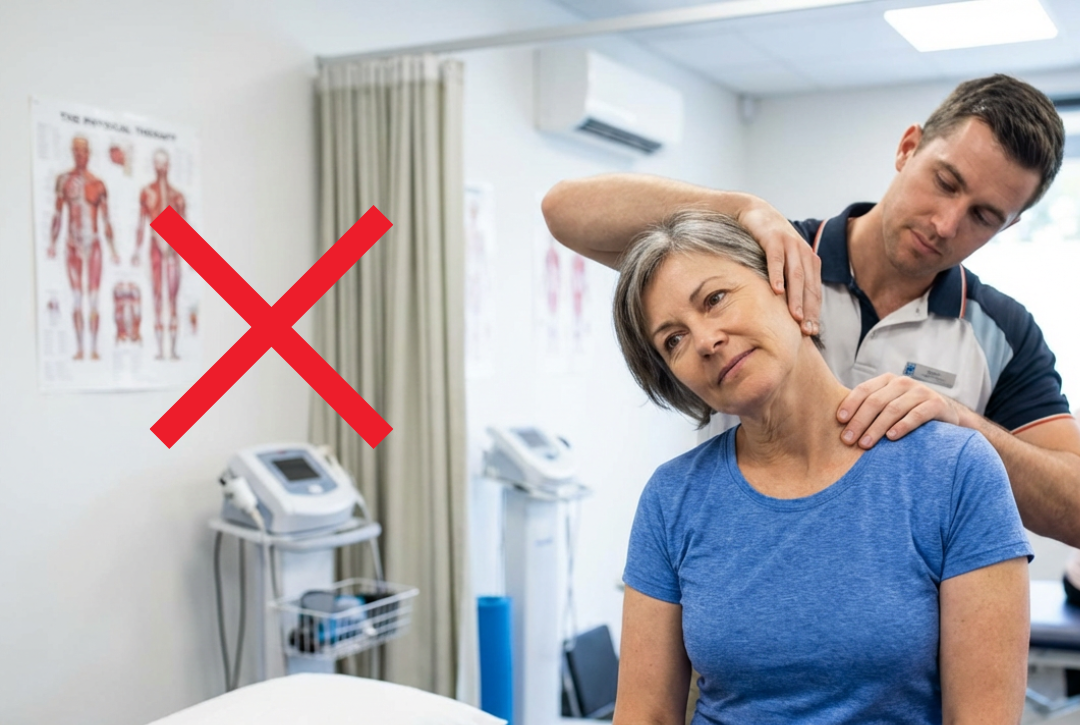
Even when neck problems are found, typical treatments fail.
Pain pills just numb the pain — they don't fix the stressed muscles.
Regular massage and stretching feel good temporarily, but the relief doesn't last.
Physical therapy can help, but takes months and costs $150-300 per visit.
Chiropractor adjustments can provide relief — but it rarely holds for long.
Why don't these treatments stick?
Because nobody addresses what happens for 8 hours every night.
You can treat your neck all day. But if you sleep on a pillow that stresses those balance sensors at the base of your skull?
If your head position irritates your vagus nerve for 8 hours straight?
You wake up right back where you started.
Your pillow isn't just not helping. It might be the reason you have these symptoms in the first place.
This is why Dr. Chen started looking for a different solution.
The Discovery That Changed Everything

Dr. Chen noticed something interesting in his research:
The patients who got better — and stayed better — had all made one change.
They changed their pillow.
But not to just any pillow. Not memory foam. Not "ergonomic." Not "cervical support."
They switched to pillows with a specific design feature that most cervical pillows don't have: a hollow center.
Why does this matter?
Most pillows — even expensive cervical pillows — focus on supporting your neck curve. That's good. But they ignore what's happening at the base of your skull.
Your head presses against the pillow surface. For 8 hours. And those 4 tiny muscles with 300x more sensors than normal muscles? They get compressed. Stressed. All night long.
A hollow center changes everything.
The back of your head rests freely — without pressure on those balance sensors. Your neck curve is supported. Your C1-C2 stays aligned. Your vagus nerve isn't under tension.
8 hours of recovery instead of 8 hours of damage.
The Pillow That Finally Addresses the Real Problem

After two years of development with orthopedic specialists, the Neckline® Cervical Pillow was designed specifically for dizziness sufferers.
It's not just another memory foam pillow. It's engineered around the science of why dizziness sufferers wake up worse.
Hollow Center: Lets the back of your head rest freely, decompressing the 4 suboccipital muscles that control your balance signals. No more 8 hours of pressure on your body's most sensitive position sensors.
Contoured Neck Support: Cradles your cervical curve, keeping your C1-C2 aligned and your vagus nerve free from tension.
2-Height Adjustability: Rotate 180° to find your perfect support level — because every neck is different.
Slow Rebound Memory Foam: Holds your position all night. No sinking. No shifting. No waking up back at zero.
One night of proper sleep. That's how long it takes for the first signs of relief to appear.
Within 1-2 weeks, most customers report significant relief from dizziness, brain fog, and tingling.
Real People, Real Relief

Jennifer Walsh, 38, suffered from mystery symptoms for three years.
"I had constant pressure in my head, like my brain was in a vise. My hands would go numb while driving. I'd get dizzy standing up.
Doctors tested me for everything — MS, brain tumors, ear problems. Nothing showed up."
She found an article online about how the wrong pillow can stress the balance sensors in your neck.
"I had an expensive memory foam pillow. I thought that was enough. But when I read about how most pillows compress the base of your skull... I realized I was waking up worst every morning."
She switched to the Neckline pillow.
"Within the first week, the head pressure eased. By week two, the hand numbness was gone. After a month, I felt like myself again for the first time in years. Three years of doctors and tests — and it was my pillow."
Robert Brown, 52, dealt with daily heart palpitations and panic attacks.
"I thought I was having heart attacks. I went to the ER four times. They'd run tests and send me home saying my heart was fine. The anxiety was ruining my life."
He stumbled across an article about how sleep position affects the vagus nerve.
"I never connected it, but my symptoms were always worst in the morning. I switched to the Neckline pillow just to try it. Within days the palpitations decreased.
The panic feelings stopped after about two weeks. I couldn't believe my pillow was causing all of this."
These aren't rare cases. Thousands of people report similar results.
Why This Works When Everything Else Failed

The difference is simple: other treatments ignore the 8 hours you spend sleeping.
Pills mask symptoms. Massage provides temporary relief. Even chiropractic adjustments can't help if your pillow stresses your neck all night.
The Neckline Cervical Pillow addresses the problem at its source:
The hollow center decompresses the muscles that send scrambled balance signals
The contoured support keeps your C1-C2 aligned all night
The slow rebound foam prevents the shifting that stresses your neck
The proper positioning relieves tension on your vagus nerve
Together, they don't just hide symptoms — they stop the nightly damage that's causing your symptoms in the first place.
Every single night, your neck can finally rest.
That's what pills, massage, and daytime treatments can't do.
What You're Probably Spending Now

Think about what you're already paying:
Pain medication: $50-200/month, forever
Specialist visits: $150-400 per appointment
Physical therapy: $150-300 per session, 2-3x weekly
Chiropractic adjustments: $75-200 per visit
Other pillows that didn't help: $50-200 each
Lost work days from feeling terrible: Priceless
Most people spend thousands treating symptoms that never improve — because the real cause is what's happening to their neck for 8 hours every night.
The Neckline Cervical Pillow costs $69.99 (regular price $139.98).
One-time payment. Use it every night, forever.
That's less than one specialist visit. Less than one chiropractic adjustment. Less than one month of medication.
The 30-Day Guarantee

Here's what makes this completely risk-free:
Sleep on the Neckline Cervical Pillow for 30 nights.
If your symptoms don't improve — if you don't wake up clearer, steadier, and more rested — send it back for a full refund.
No questions asked.
We offer this because we've seen the results.
Less than 2% of customers request refunds.
What Happens If You Don't Act

Here's the truth about the 8-hour problem:
It doesn't get better on its own. It gets worse.
Every night you sleep on the wrong pillow, those balance sensors stay stressed. The vagus nerve stays irritated. The damage compounds.
The dizziness happens more often.
The brain fog deepens.
The anxiety intensifies.
What could be relieved in two weeks might take months later — or become chronic.
Dr. Chen is blunt about this:
"These symptoms get worse over time. The longer the neck stays stressed every night, the more ingrained the dysfunction becomes. I always tell patients: address your sleep position first. Everything else is harder to fix if you don't."
Your Two Choices

Choice 1: Keep taking pills that mask symptoms. Keep seeing specialists who can't find anything wrong. Keep sleeping on a pillow that stresses your neck for 8 hours every night.
(The symptoms will keep getting worse.)
Choice 2: Address the problem that's been causing your symptoms in the first place — with a pillow specifically designed for dizziness sufferers.
Sarah Mitchell, who spent two years being misdiagnosed, says it best:
"I spent over $8,000 on specialists, tests, and medications that didn't work.
The Neckline pillow cost me $69.99 and gave me my life back.

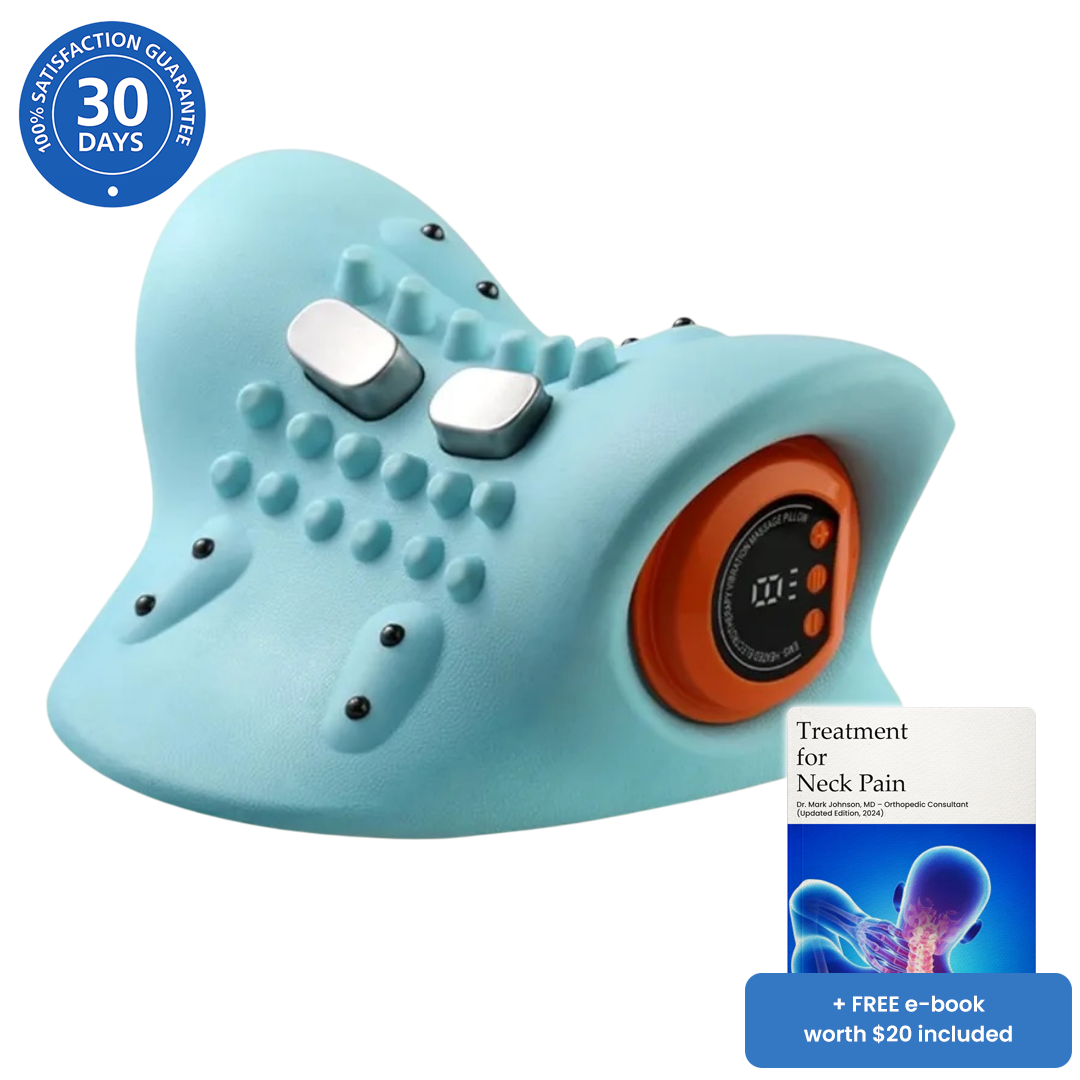
Click the button below to check if it’s still in stock.
If it is, your discount will be applied automatically.
Recommended
★★★★★
Rated 4.8/5 | 12,000+ Customers
Neckline®

Takes pressure off the muscles that cause dizziness
Reduces neck tension and stiffness
Relieves pressure on the vagus nerve
Relieves tingling in arms and hands